

OBJECT HISTORY: Paramount Records 78
Created by the management of the Wisconsin Chair Company, a furniture making business based in Port Washington, Wisconsin, Paramount Records was initially incorporated to help sell phonograph cabinets in the late 1910s.
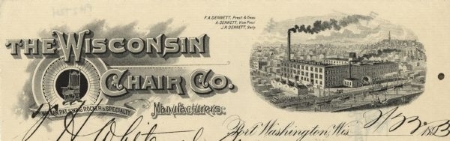
The Wisconsin Chair Company
Founded in 1888 by Frederick A. Dennett, the Wisconsin Chair Company (WCC) was perhaps the most important business in Ozaukee County at the end of the nineteenth and beginning of the twentieth century. Throughout its over fifty-year history, the WCC produced a multitude of products, including beds, cabinets, and even phonograph cabinets.
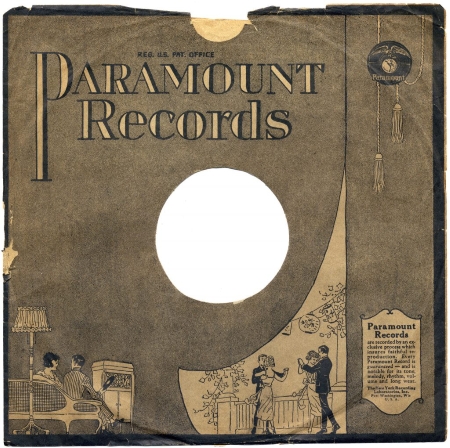
Paramount Records
Like other record companies in the post-war years, Paramount entered the new field of “race music” in 1922 and began producing music by black artists for black customers. Just one year later, the Wisconsin company had solidified its status as one of the leading “race label” companies in the United States.
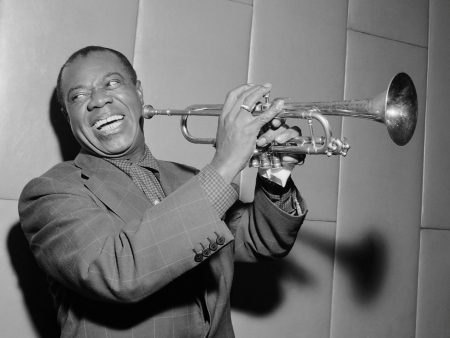
Recruiting Talent
With a roster that included Louis Armstrong, Jelly Roll Morton, and Ethel Waters, Paramount Records became perhaps the most important blues recording company of the 1920s. Their success was dependent on their ability to recruit black performers and reach a broad black audience.
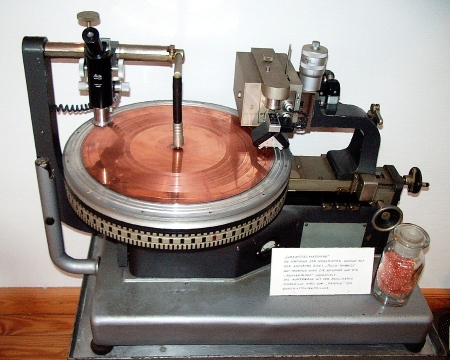
The Record Production Process
Paramount Record’s parent company, the United Phonographic Corporation, a subsidiary of the Wisconsin Chair Company, decided to begin recording and pressing records to include with their phonograph cabinets in the early 1920s. Paramount eventually created their own recording studio inside the same Grafton plant pressing their records.
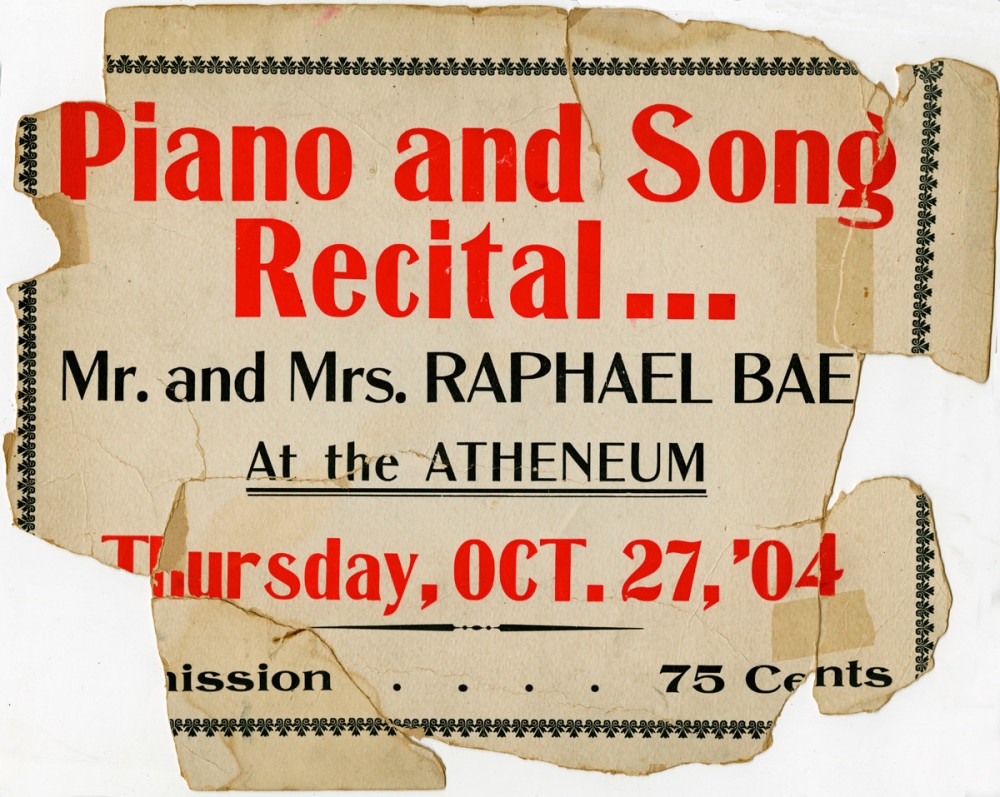
OBJECT HISTORY: Piano and Song Recital Poster
Mr. Raphael Baez, a well-respected violinist, pianist, composer, and music professor, and his wife Mrs. Mary Schoen Baez, a noted vocalist, performed together in various music halls in the city of Milwaukee since 1889.Signs like the one above would be posted throughout the city of Milwaukee in the week leading up to the performance, advertising recitals open to the general public.
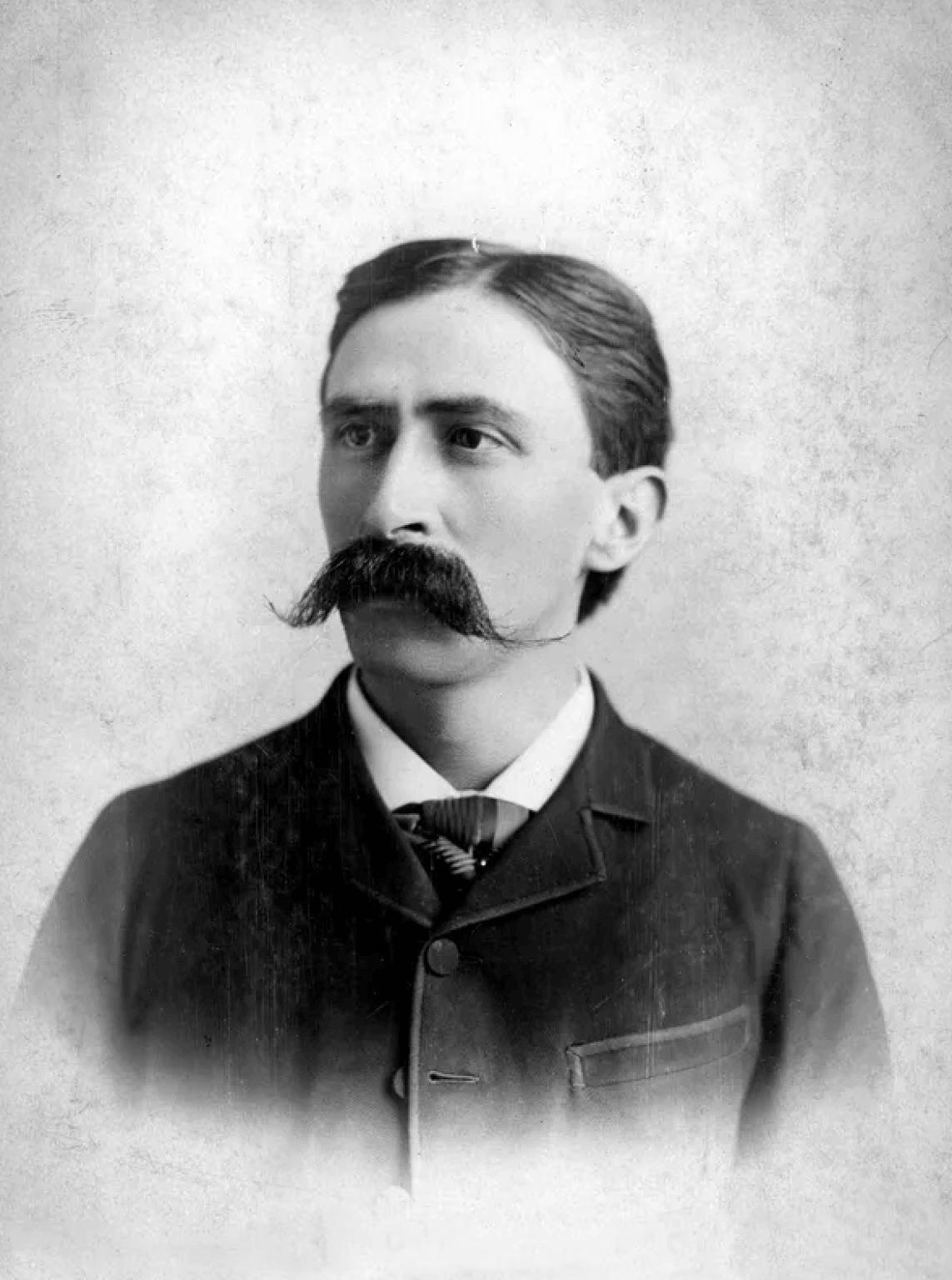
Raphael Baez
Raphael Baez, Sr. can be counted as one of the first Mexicans ever to call Milwaukee home. After years of conducting private music lessons for the children of Milwaukee’s elite, Baez eventually became the first Mexican professor at Marquette University, where he taught music.
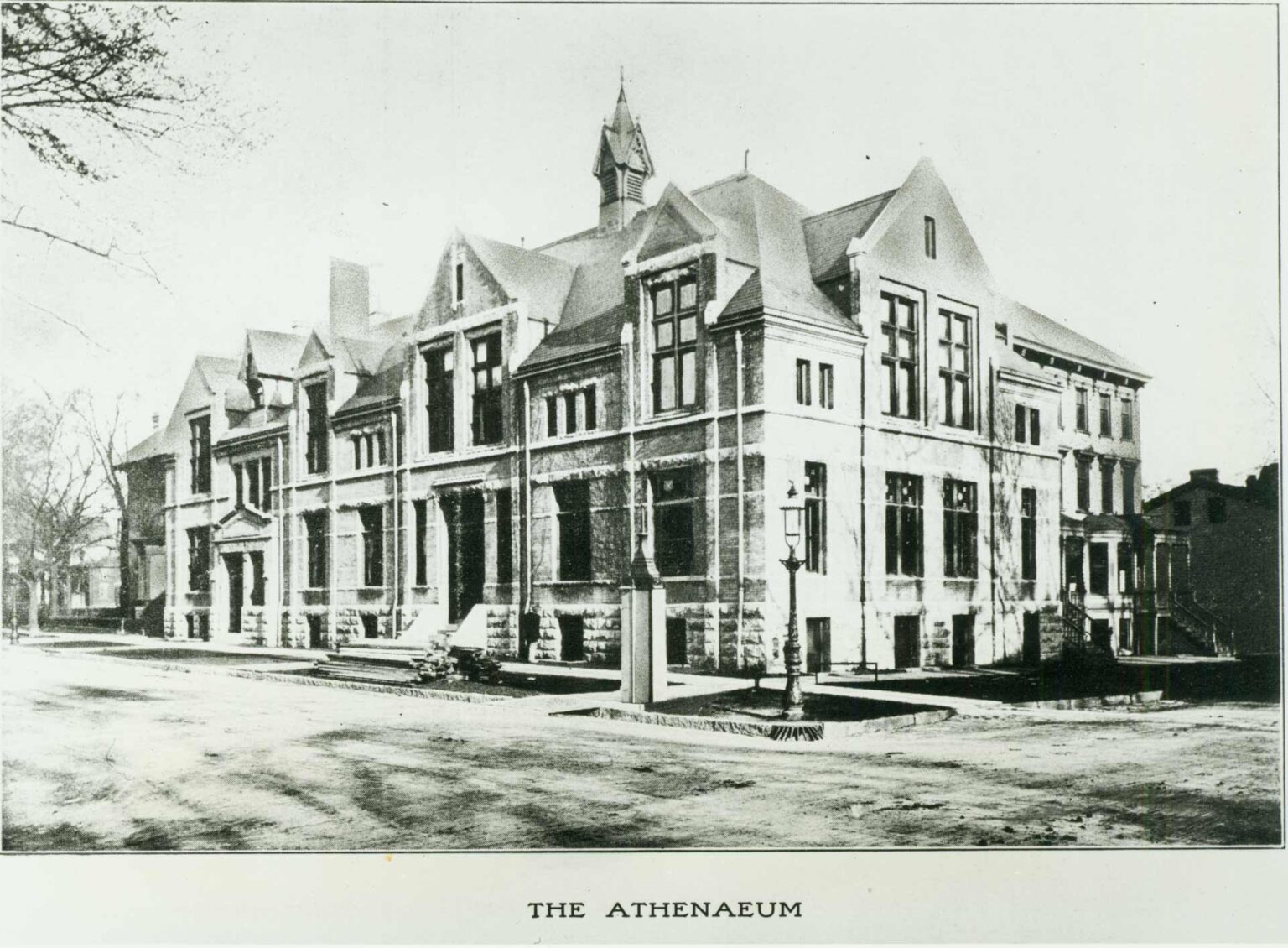
The Milwaukee Athenaeum
Built in 1887, the Athenaeum has been home to the Women’s Club of Wisconsin since its founding. Situated in Milwaukee’s East Town at 813 Kilbourn Ave., the building and the organization that calls it home can lay claim to a number of American firsts.
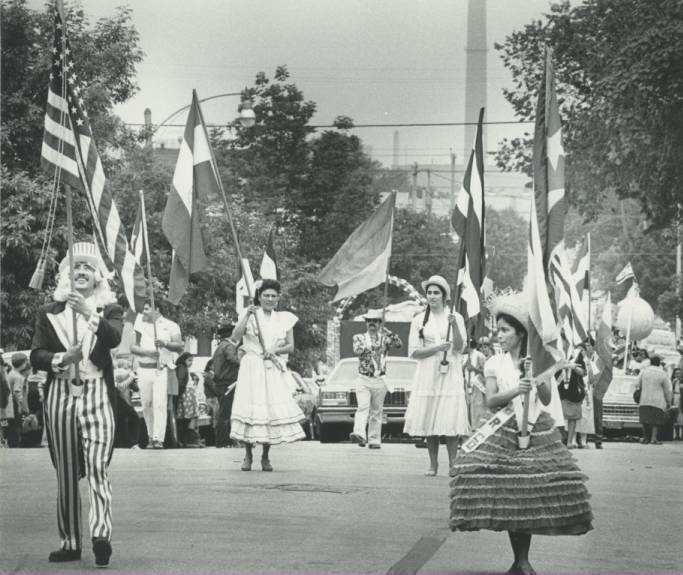
Milwaukee’s Early Mexican Community
Milwaukee’s Mexican community began in 1920, when the Pfister and Vogel Tannery recruited a handful of men from the midwestern states of Mexico to work in their Menominee and Bay View plants on the city’s near south side. Unaware that they had been brought as strikebreakers to help settle a labor dispute, these workers initially faced the ire of city’s older immigrant communities.
Milwaukee’s Music Scene in the Late Nineteenth Century
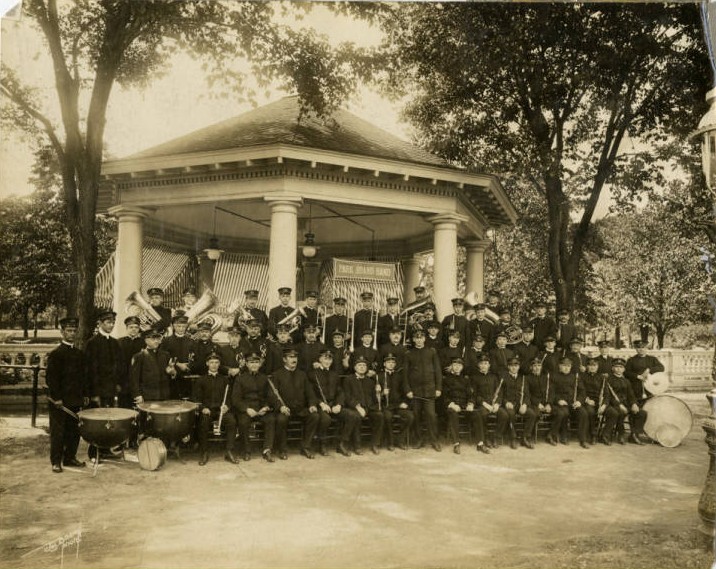
The Wisconsin music industry experienced a dramatic growth in the second half of the nineteenth century, as Milwaukee became a national leader in musical performances and a manufacturing center for the production of musical instruments.