Wisconsin’s Migrant Housing Laws

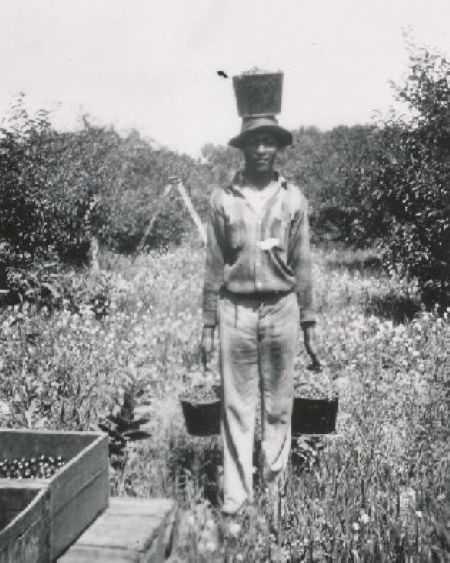
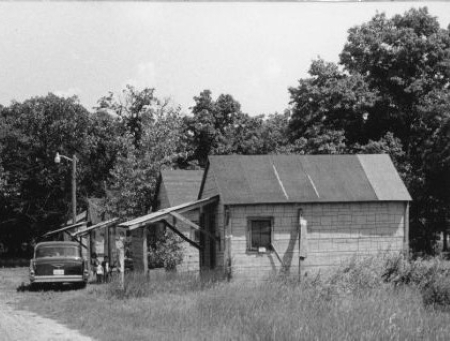
Before World War II, most of the migrant workers in Wisconsin’s pickle fields were single young men, and pickle companies provided housing for workers in large dormitories. After World War II, however, farmers began to hire more families to harvest pickles in…

Read More
Comments Off on Wisconsin’s Migrant Housing Laws

Migrant Labor and Door County Cherries

Early Door County cherry orchards relied heavily on local workers, and all members of the family that owned a cherry orchard were expected to contribute. From the planting process, spraying of fungicides, pruning, and finally cherry picking, each cherry tree required a…

Read More
Comments Off on Migrant Labor and Door County Cherries

OBJECT HISTORY: Settlement Cook Book

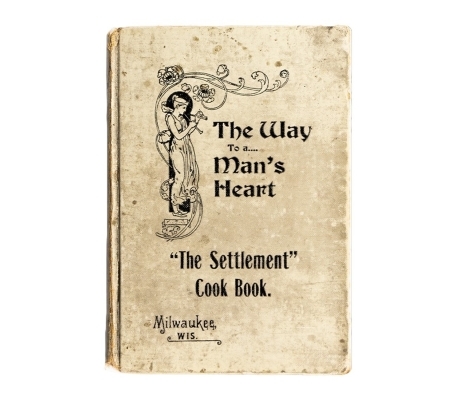
The first edition of The Settlement Cook Book was published on April 1, 1901 with an original printing of 1,000 copies. Copies not distributed to the settlement’s cooking school students were sold at the Boston Store in Milwaukee for 50 cents each and sold out within the first year. Kander made notes on the recipe for Mocha…

Read More
1 Comment

The Settlement House Movement

Mass immigration from eastern and southern Europe dramatically altered America’s ethnic and religious composition around the turn of the twentieth century. Unlike earlier immigrants, who had largely come from western European countries like Britain, Germany, Ireland, and Scandinavia, the new immigrants came…

Read More
Comments Off on The Settlement House Movement

Elizabeth “Lizzie” Black Kander

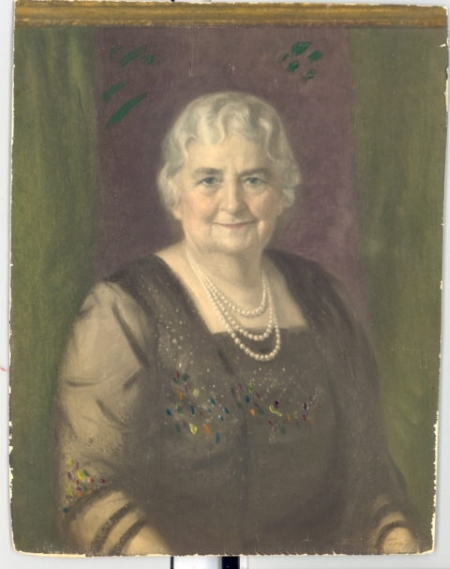
The first generation of women—largely white and middle- or upper-class—to graduate from college in large numbers left school full of promise and enthusiasm, but were largely denied employment in medicine, law, or business. Rejected by the professional world, many focused their energies…

Read More
Comments Off on Elizabeth “Lizzie” Black Kander

The Settlement

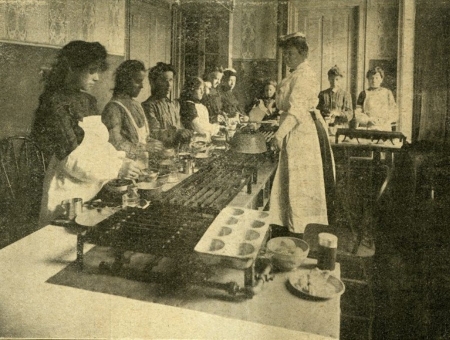
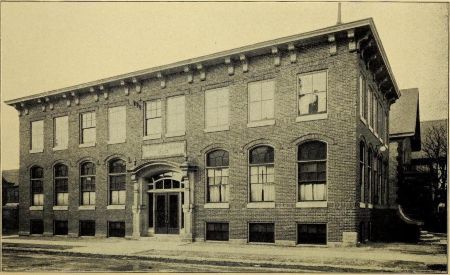
Having outgrown the basement of Temple B’ne Jeshurun, the mission moved to an old house at 507 Fifth Street in 1900. It was simply called “The Settlement.” Programs expanded as space and resources did—the building was busy from 9:00 a.m. to 11:00…

Read More
Comments Off on The Settlement

End of content

No more pages to load