Enjoy a browse through Wisconsin 101’s collection of object histories. Click on the “Read More” button to view the full story and its accompanying related histories or explore the categories listed above each object history to learn more about certain themes, periods of time, and Wisconsin locales.

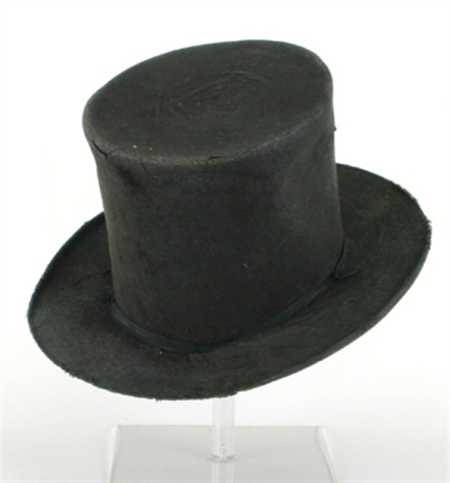
OBJECT HISTORY: Beaver Felt Hat

The beaver felt hat was one of the main reasons for the success of the fur trade in northern states, such as Wisconsin, and in Canada. But why was this hat more popular than others? Clothing allows for people to choose their…

Read More
Comments Off on OBJECT HISTORY: Beaver Felt Hat

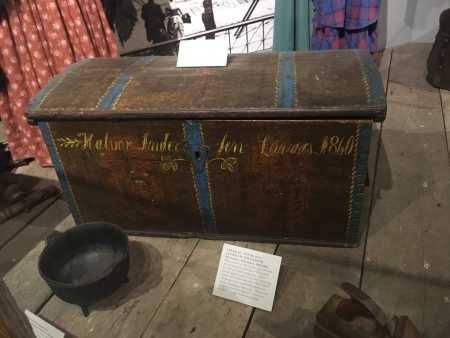
OBJECT HISTORY: Norwegian Trunk

In the 1800s, European immigrants coming to America had to find a way to preserve the objects indispensable to their lives, bringing their most precious belongings on an ocean voyage to a far-away new home. Most families were only able to bring…

Read More
2 Comments

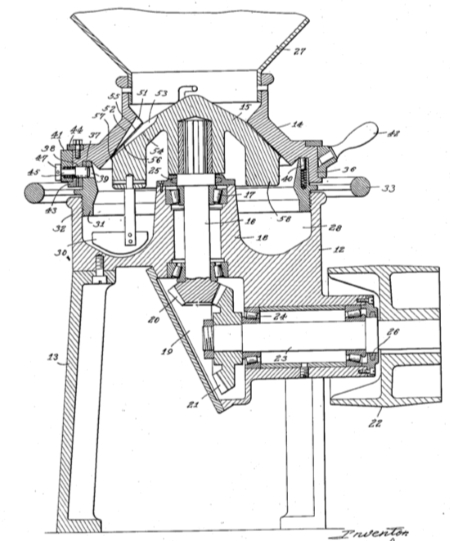
OBJECT HISTORY: Clair Mathews’s Feed Grinder

Recognizing the need to grind feed for his dairy cows, but unable to afford a mill, Clair Mathews designed his own version of a feed grinder. That grinder would inadvertently create the snack that would come to be known as Korn Kurls.

Read More
Comments Off on OBJECT HISTORY: Clair Mathews’s Feed Grinder

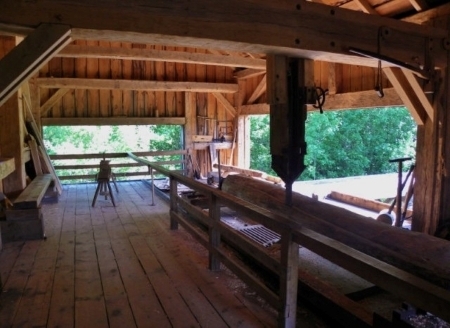
OBJECT HISTORY: The Muley Sawmill

If you grew up in Wisconsin, you may be familiar with some of Wisconsin’s forests like the Black River forest, Menominee forest, or the Chequamegon-Nicolet forest. For hundreds of years these forests have provided Wisconsin with lumber used for building homes, factories,…

Read More
Comments Off on OBJECT HISTORY: The Muley Sawmill

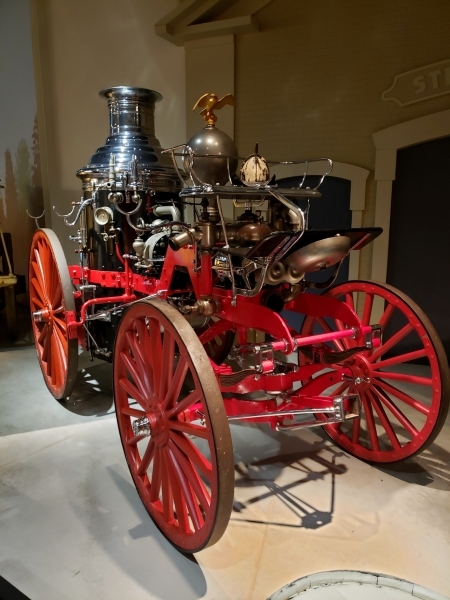
OBJECT HISTORY: Silsby’s Steam-Powered Pumper

In the late 1800s, the Silsby Company created the Steam Powered Pumper in New York. This technological advancement made the lives of firefighters everywhere easier. They no longer had to rely on bucket brigades to fight fires. This impacted communities all over the country, including in Berlin, Wisconsin.

Read More
Comments Off on OBJECT HISTORY: Silsby’s Steam-Powered Pumper

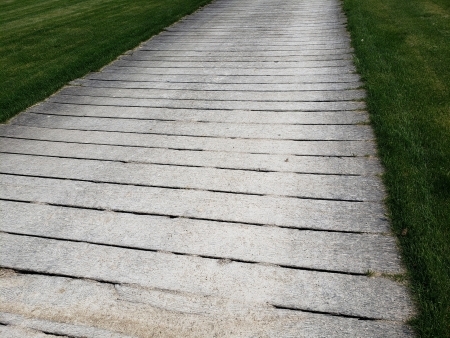
OBJECT HISTORY: Plank Roads

Before the 1850s, Wisconsin did not have roads, at least not ones you would recognize. As more people moved to Wisconsin, settlers cut thick prairies and forests into roads, but these were just dirt paths that were often quite muddy. As a solution, Wisconsinites decided to build plank roads which had a lot of advantages over the dirt ones.

Read More
Comments Off on OBJECT HISTORY: Plank Roads

End of content

No more pages to load