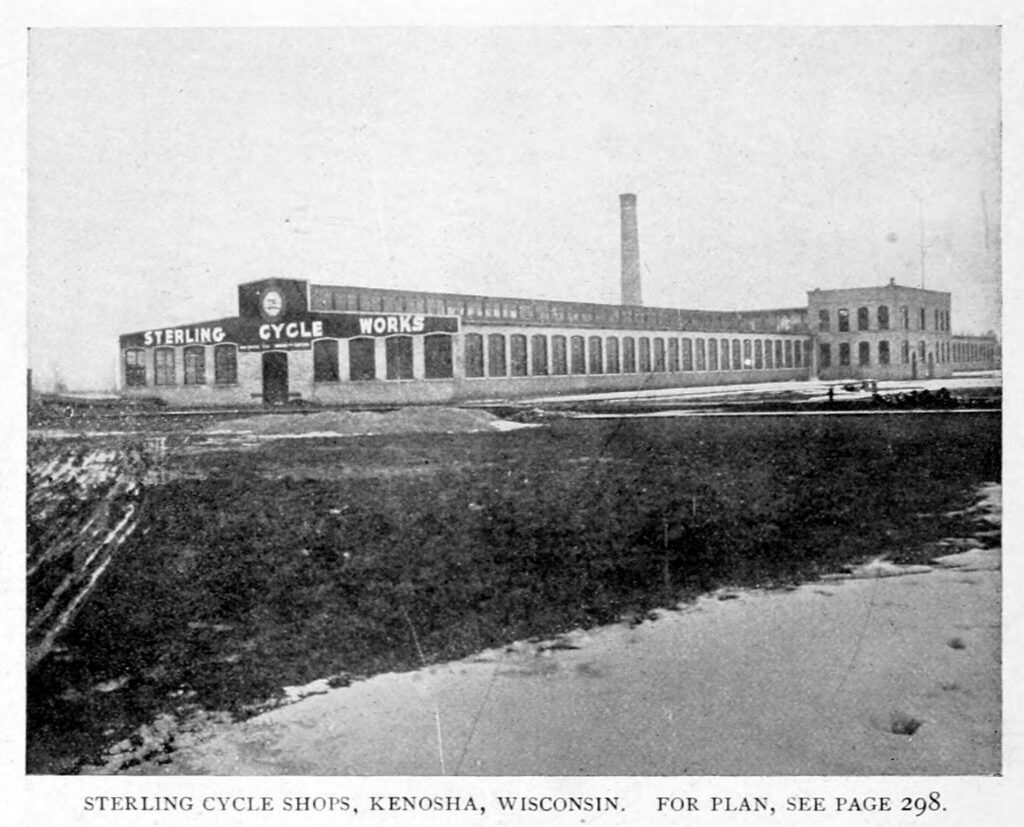
Erika Janik: Bicycling in Wisconsin in the 1890s was called the most independent, healthful, rapid, and convenient mode of travel. As part of our ongoing look at objects from Wisconsin’s past. Tom Rademacher tells us about the Kenosha made Sterling Safety Bicycle.
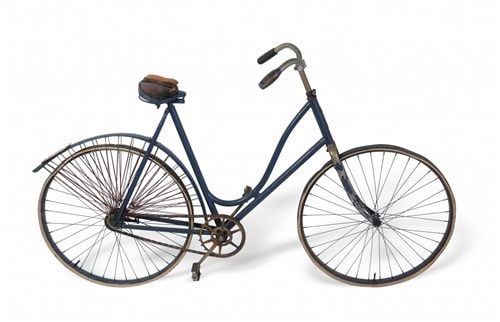
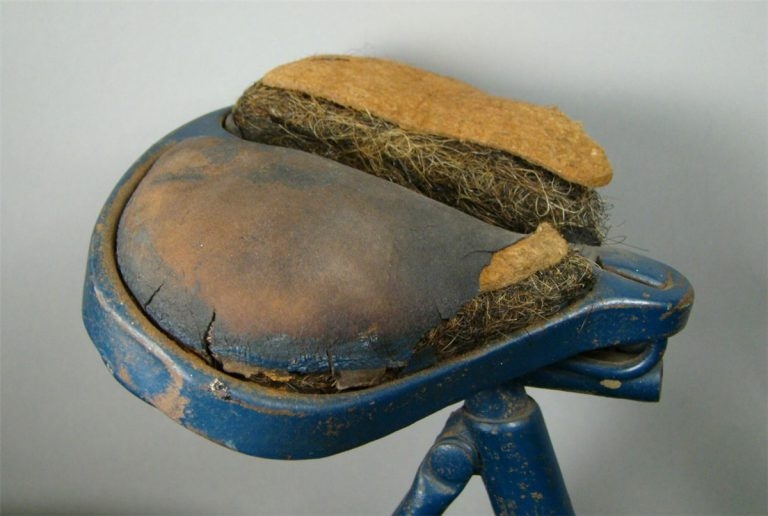
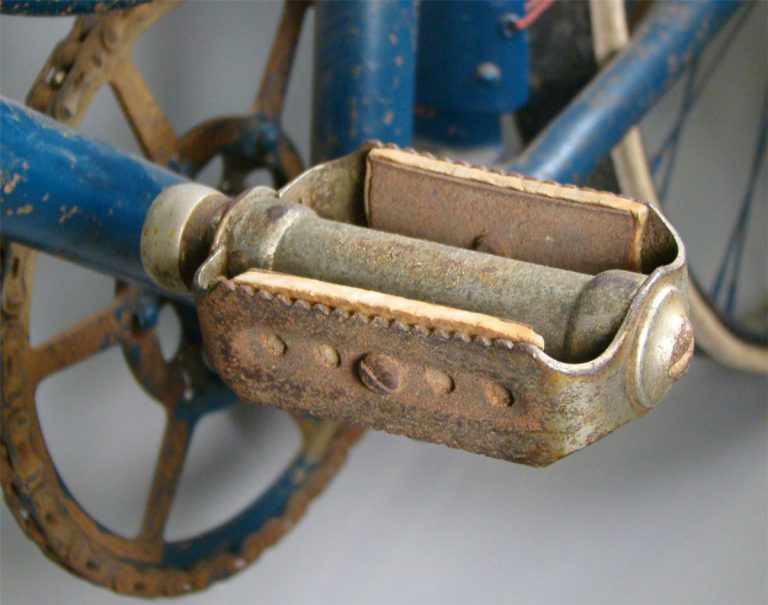
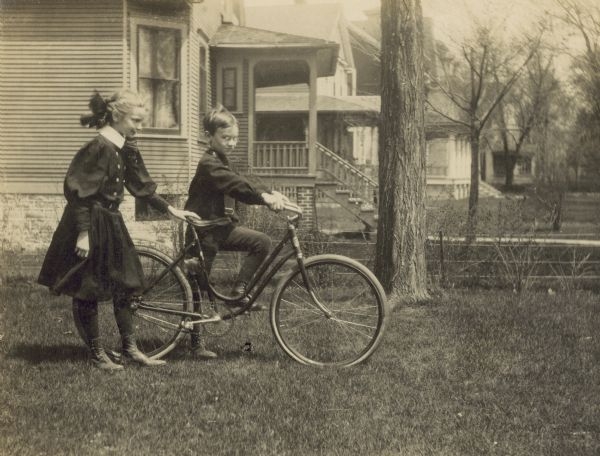
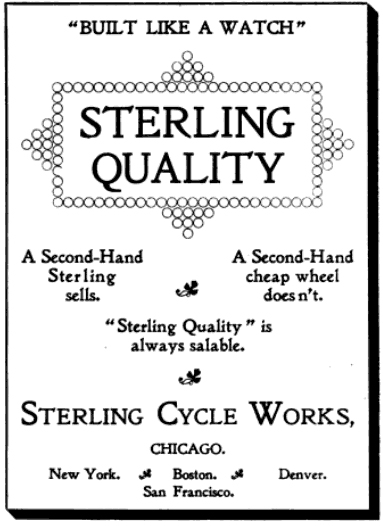
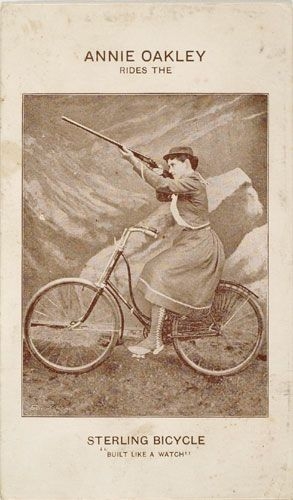
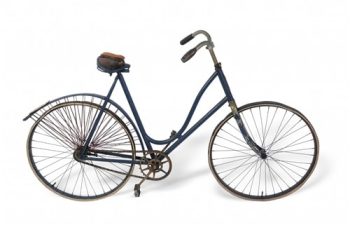
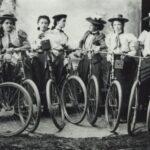
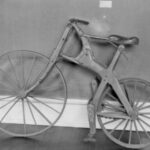
Tom Rademacher: Cycling in the 1890s was predominantly a male activity, however, this bicycle allowed women to also engage in the recreational sport of cycling. Sterling Safety Bicycle. It was manufactured in 1899 by the American Bicycle Company. It has a lower top tube which accommodated the fashionable dresses at the time for women, so that women could also go on rides.
Bicycles entered into the United States in 1869 on the east coast from Europe, and then pretty much just steadily moved westward. And by 1880, there was a national association for bicycling called the League of American Wheelmen, which was founded on the east coast, but Wisconsin had a Wisconsin State Division, and then there were about 40 local club divisions within Wisconsin. Wisconsin, at its peak, was ranked eighth in membership and one of the leading divisions of the West.
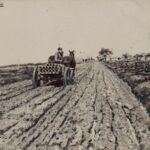
The wheelmen, the bicyclists of the 1890s called themselves wheelmen, so the wheelmen of the 1890s created promotional materials like handbooks, maps, and things like that, which enabled cyclists of that era to link up with other clubs in the area, find the best roads for cycling, and avoid the worst ones, because most roads in the 1890s were just mud and dirt trails unless you were in a large city like Milwaukee, and so it was oftentimes difficult to actually enjoy the sport on the poor roads. And they would publish pamphlets and materials trying to promote the need for better roads, but they also tried to get people like farmers on board and advocated for farmers, trying to get them to understand that a better road will help get their produce to market.
Period Advertisement: Where there’s a wheel, there’s a way. But with bicycles, the way has been rather torturous. There were no traffic signals in those rollicking days.
Tom Rademacher: Interestingly, the company actually switched from manufacturing bicycles to then automobiles at the turn of the century, once the bicycle boom ended. And this is just a reflection of how quickly the decline of bicycling happened, and show us the start of the rise of automobiles as being a premier mode of transportation.
I’m a big fan of cycling, and I wanted to learn more about the history of biking in Wisconsin. The part that interests me the most about the safety bike and the movement is the interesting connections that can be seen in the 1890s as well as to today, because a lot of the materials that the wheelman published in the 1890s are things like maps and route materials and listings of bike shops and hotels for people to travel to, and that’s the same kind of material that organizations will put out today for their members. It’s over a century ago, but yet we can still do the same kinds of things today.
Erika Janik: That story was produced in partnership with Wisconsin 101, a collaborative effort to share Wisconsin story and objects. Wisconsin Life is a co-production of Wisconsin Public Radio and Wisconsin Public Television in partnership with the Wisconsin Humanities Council. Additional support comes from Lowell and Mary Peterson of Appleton. Find more Wisconsin life on our website, wisconsinlife.org and on Facebook. I’m Erika Janik.