Maureen McCollum: Is there really anything better than a buttery, flaky pastry filled with meat and vegetables, or perhaps just vegetables for our vegetarian friends? The pasty has long been a staple in certain Wisconsin communities and has a rich history with a particular group of workers. Jane Genske went to learn more about the role of pasties in Wisconsin history.
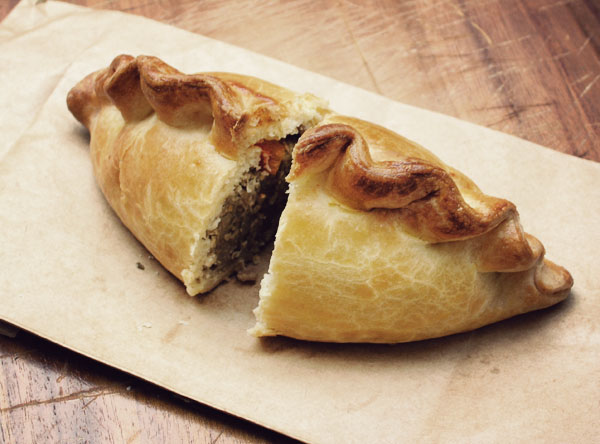
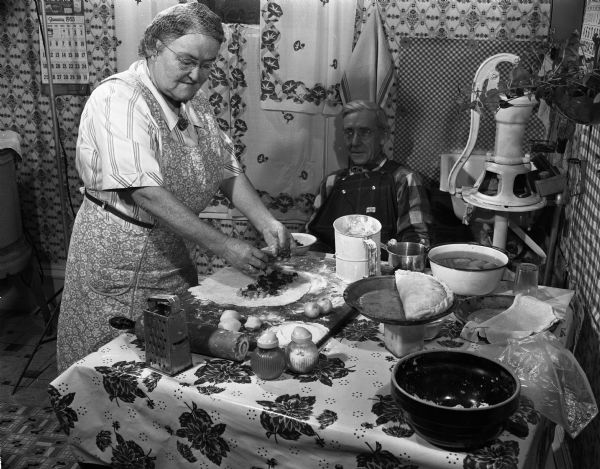
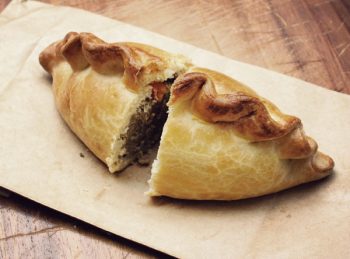
Jane Genske: Imagine this: it’s early morning in a small Wisconsin town about a century ago. The sun hasn’t risen, but parents bustle around the kitchen. They’re making pasties. One’s for dad, who’s preparing for a day in the mines. Some are for the children, who are about to head to their one-room schoolhouse. The extras are for mom to warm up for dinner tonight. The pasty is convenient, handheld and delicious. It’s a flaky, buttery pastry folded over, pinched at the crust, bursting with meat and vegetables. The more traditional fillings might include beef, rutabagas, onions, and potatoes.
Customer Recording: Okay, yeah, could we do two of the Greek.
Jane Genske: Joe’s Pasty Shop has been making these savory pies for decades. Jessica Lapachin opened a location in Rhinelander 15 years ago. She talks about the business’s history while her husband, Larry, chops onions.
Jessica Lapachin: So Joe’s Pasty Shop is a third-generation pasty business. My family opened up Joe’s Pasty Shop in Ironwood, Michigan in 1946
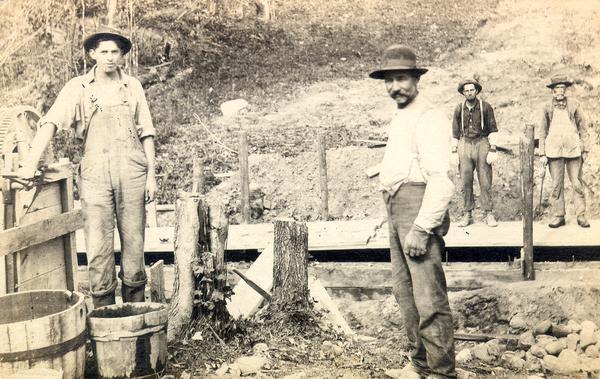
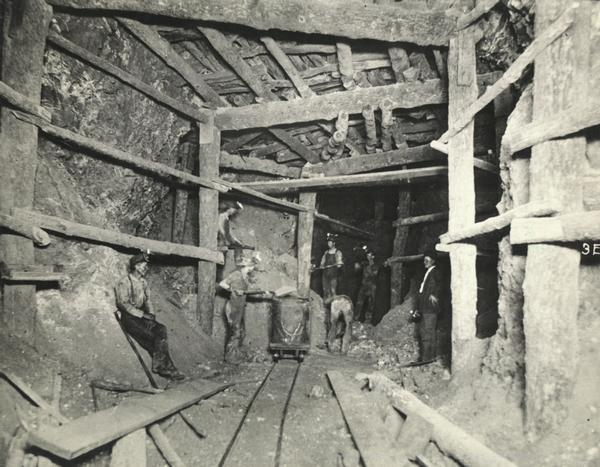
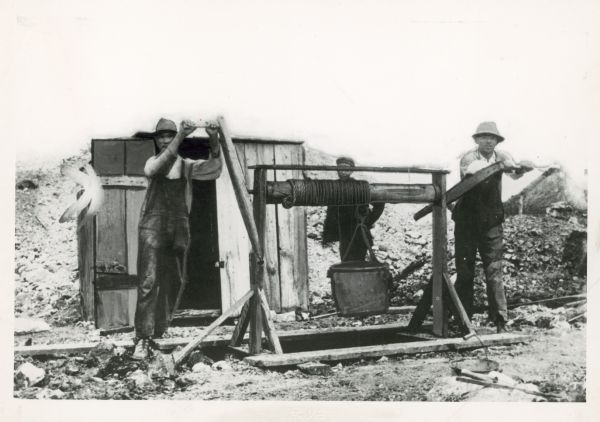
Jane Genske: Miners from Cornwall, England flocked to Wisconsin in the 1800s. They settled in places like Mineral Point and Miners Grove as more lead was needed for things like paint, pipes, and lead shot. Cornish miners brought their mining expertise for extracting Galena, which is a mineral used to make lead. They also brought a piece of their European culture, the pasty.
Jessica Lapachin: It’s a portable meal that the Cornish miners would have taken down into the mine, a handheld meal that they could hold with dirty hands. And they would hang onto the crimp of the crust, eat the center and throw the crimp away.
Jane Genske: While the pasties kept the miners nourished, they also thought the scraps could bring them good luck.
Jessica Lapachin: So there’s a superstition in mining culture of these spirits that live in the mine. They’re called Tommy Knockers. And so they would do things like move tools around or hide things from the miners. And so, you know, the miners started to think, well, we have to appease them. Let’s give them the crust of our pasties. So they would toss that into the corners of the mine. So…
Jane Genske: When the demand for lead decreased in southwestern Wisconsin, many Cornish miners moved to the Upper Peninsula to work in copper and iron mines. Pasties became a family tradition passed on from generation to generation. Lapachin says hers isn’t the only family with a pasty story.
Jessica Lapachin: And it’s a very familiar, memorable food for people. People are really passionate about their favorite pasty and their pasty stories and the way their grandmother made them.
Jane Genske: Inside Joe’s is regular customer, LJ Summers. He didn’t grow up with pasties, and had his first one when he moved to Rhinelander.
LJ Summers: In the past year, since I’ve lived in the neighborhood, and everybody was like, “You need to go get a pasty.” And so I did, and I’ve been hooked ever since.
Jane Genske: Summers is now a pasty fanatic. He can’t stay away from the shop for more than a week.
LJ Summers: Well, I like the Greek pasty a lot. That’s definitely my favorite. And then my new favorite recently is the Cornish one, because that one goes unannounced, like, I feel like nobody pays attention to it because of the rutabagas. People are scared of rutabagas.
Jane Genske: Even after the fall of the mining era in Wisconsin, people’s love of pasties lives on.
Maureen McCollum: That story about pasties in Wisconsin came from Jane Genske. She’s a UW-Madison student working on an internship for Wisconsin Life and Wisconsin 101 which tells the history of the state through objects. Wisconsin Life is a co-production of Wisconsin Public Radio and PBS Wisconsin, in partnership with the Wisconsin Humanities Council. Additional support comes from Lowell and Mary Peterson of Appleton. Want to make sure you catch every Wisconsin Life story? Subscribe to our podcast feed and find more Wisconsin Life at wisconsinlife.org and on Facebook, Twitter and Instagram. I’m Maureen McCollum.

Thank you for this history lesson on Wisconsin and pasty. My father’s mother used to make delicious pasty. It was interesting learning about this dish that my Grandma used to make.