
OBJECT HISTORY: Cupping Kit
This particular cupping kit belonged to Dr. James T. Reeve a physician from Appleton, WI and was donated to the Wisconsin Historical Society in 1952 by his son, J.S. Reeve.
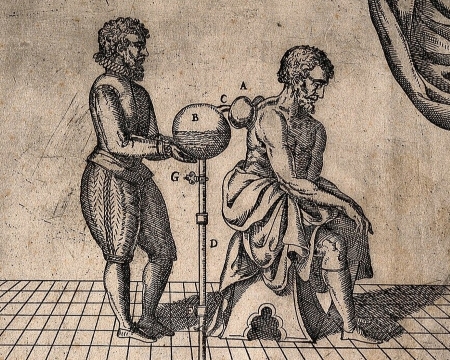
What is Cupping?
Until the late nineteenth century, cupping was widely used for the treatment of inflammation and deep-seated pain believed to be due to an imbalance of the humors.
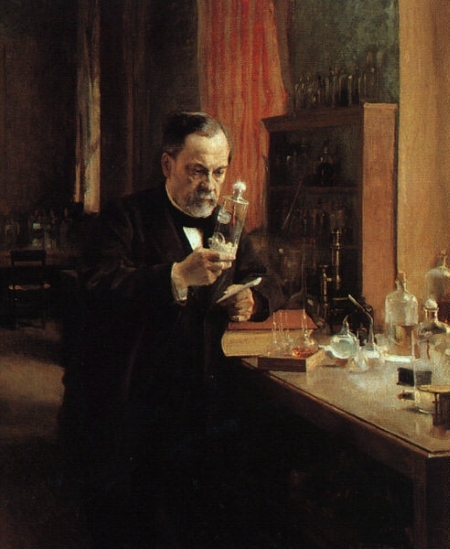
The Decline of Humoral Theory
Cupping (as well as general bloodletting) declined in the late nineteenth century. Louis Pasteur and Robert Koch’s experiments in pathology demonstrated the existence of foreign bodies and their role disease, called in to question humoral theory.

Humoral Medicine and Cupping
Humoral medicine began in Ancient Greece and continued in popularity until the late nineteenth century. This theory developed out of ancient people’s close relationship to agriculture and the idea of the environment’s influence on them.

Dr. James T. Reeve
The owner of this particular cupping kit was Dr. James T. Reeve. Reeve became a prominent medical figure in the state of Wisconsin and was a strong proponent for public health.