
OBJECT HISTORY: Cupping Kit
This particular cupping kit belonged to Dr. James T. Reeve a physician from Appleton, WI and was donated to the Wisconsin Historical Society in 1952 by his son, J.S. Reeve.
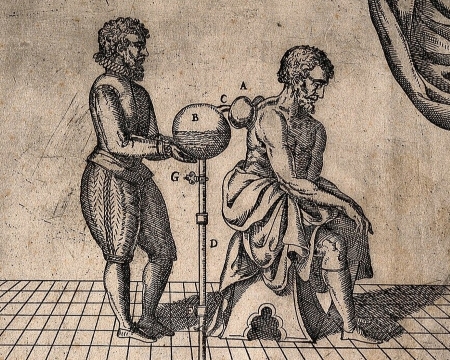
What is Cupping?
Until the late nineteenth century, cupping was widely used for the treatment of inflammation and deep-seated pain believed to be due to an imbalance of the humors.

Humoral Medicine and Cupping
Humoral medicine began in Ancient Greece and continued in popularity until the late nineteenth century. This theory developed out of ancient people’s close relationship to agriculture and the idea of the environment’s influence on them.

Dr. James T. Reeve
The owner of this particular cupping kit was Dr. James T. Reeve. Reeve became a prominent medical figure in the state of Wisconsin and was a strong proponent for public health.
The Decline of Humoral Theory
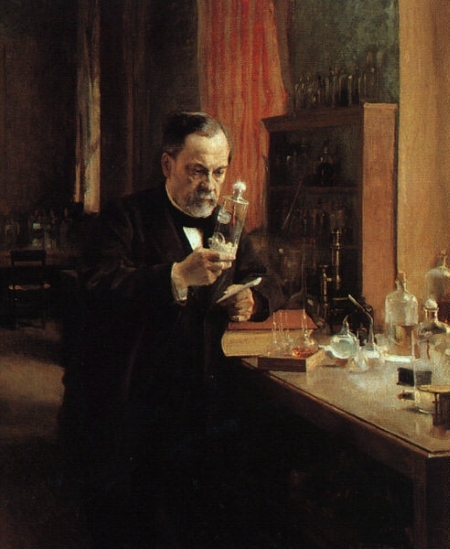
Dr. Ira Marks, in an address to the Wisconsin State Medical Society in 1870, expressed his excitement for the new developments in pathology: “we have much to rejoice at the progress being made… and that we are becoming more familiar with the organism with which we are called upon to deal.” Additionally, as living in cities became more common, people were less connected to nature and humoral theory was no longer meaningful to the population.