Tanning in Taylor County

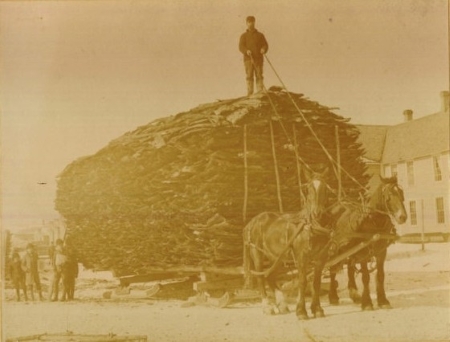
Tanning in Taylor County In early 1890, members of a wealthy Boston-based family, the Shaws, visited Wisconsin to find new sources for the tannic acid needed to produced leather for horse harnesses and boots. The Shaw Family operated tanneries in Maine, Massachusetts,…

Read More
Comments Off on Tanning in Taylor County

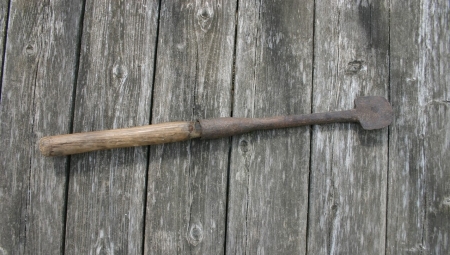
OBJECT HISTORY: Bark Spud

The bark spud is an iron tool used to remove bark from cut timber. Most bark spuds have a steel head with a hard wooden handle. The head is rounded or dish-shaped and has one cutting edge. The sharp wedge on the end of the bark spud slides between bark and wood on a log…

Read More
Comments Off on OBJECT HISTORY: Bark Spud

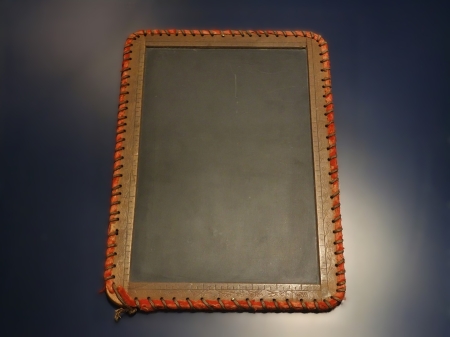
OBJECT HISTORY: Slate

Before chromebooks, iPads, and even lined paper, students still had to complete their assignments. In the past, students did most their schoolwork on a slate. A slate is a small, rectangular blackboard made from slate stone. They had two sides and the edges were wrapped in leather or wood to protect students’ hands. In the…

Read More
Comments Off on OBJECT HISTORY: Slate

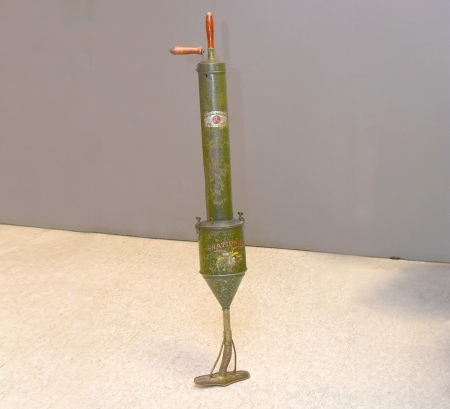
OBJECT HISTORY: Vacuum

People in the early 20th century witnessed the invention of all kinds of household tools we take for granted today, such as the vacuum cleaner, laundry machine, and refrigerator. This is a manual vacuum cleaner from 1911 at the Wisconsin Historical Museum. This small upright vacuum was designed to be operated by hand and easy…

Read More
Comments Off on OBJECT HISTORY: Vacuum

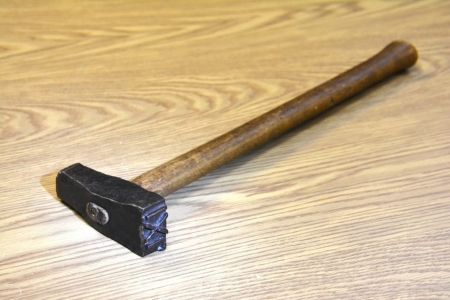
OBJECT HISTORY: Log-Marking Hammer

Between the 1840s and the 1890s, logs meant money. Wisconsin had a large supply of trees. Lumber mills made money by cutting down trees. Logging was one of the largest industries in Wisconsin. There were more than 450 lumber camps across Wisconsin. If we study this log-marking hammer and think about the people that used…

Read More
Comments Off on OBJECT HISTORY: Log-Marking Hammer

The Swiss Roots of America’s “Dairyland”

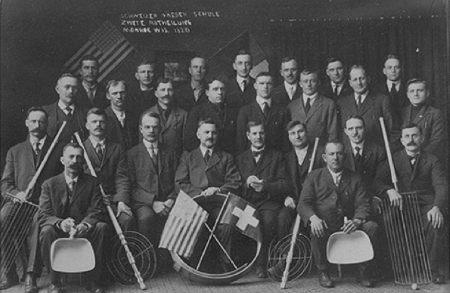
When the wheat crop failures of the late nineteenth century jeopardized the incomes of many of Wisconsin’s immigrant farmers, the region’s Swiss population transitioned to a trade that they knew from the Old World: dairying and cheesemaking. To do this, Swiss farmers…

Read More
Comments Off on The Swiss Roots of America’s “Dairyland”

End of content

No more pages to load