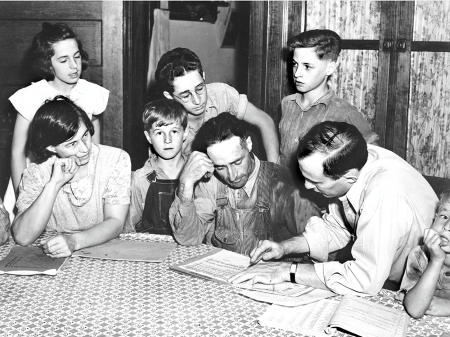
Daily Life in the Civilian Conservation Corps

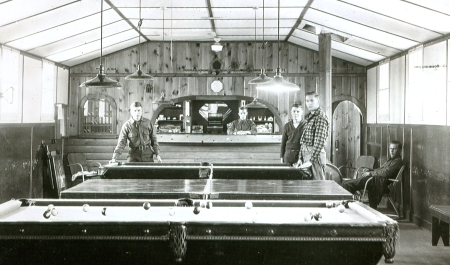
The young men who lived and worked at Camp 657 were typical of Civilian Conservation Corps enrollees throughout the country during the 1930s. The first enrollees were between 18 and 25 years of age, were unmarried and physically fit, and were willing to allot most of their earnings to their families. In 1937, with the CCC’s popularity growing, Congress expanded the age range to 17 to 28 and later extended enrollment to World War I veterans.

Read More
Comments Off on Daily Life in the Civilian Conservation Corps

The Great Depression in Langlade County

While local governments across the United States struggled to deal with the sharp economic downturn in the first years of the 1930s, Langlade County initially found itself in an enviable position at the onset of the Great Depression.The county, with a total…

Read More
Comments Off on The Great Depression in Langlade County

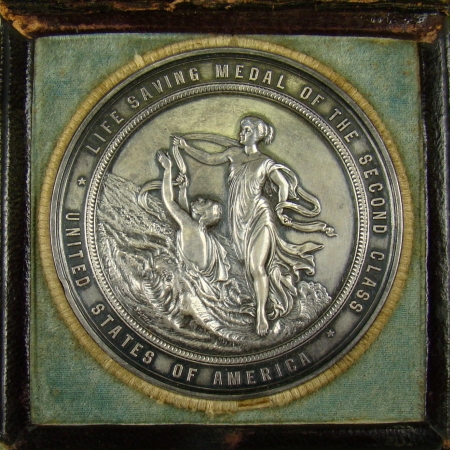
OBJECT HISTORY: Lifesaving Medal

All along Wisconsin’s 820 miles of Great Lakes shoreline, storms could mean the difference between profit and financial ruin, survival and terrifying death. This lifesaving medal reminds us of the risks that sailors and Wisconsin’s maritime communities have routinely faced since the early 19th century, and it documents the personal bravery, dedication, and ingenuity of those who would rescue their fellows…

Read More
Comments Off on OBJECT HISTORY: Lifesaving Medal

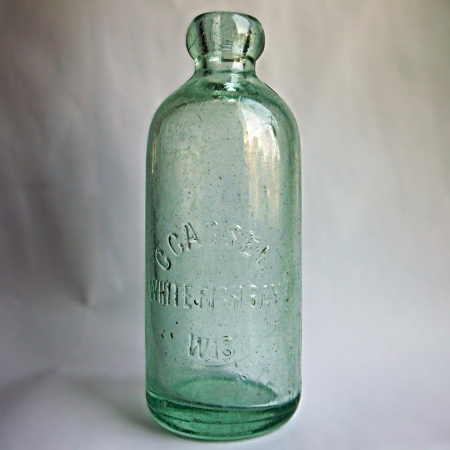
OBJECT HISTORY: Cassel Soda Bottle

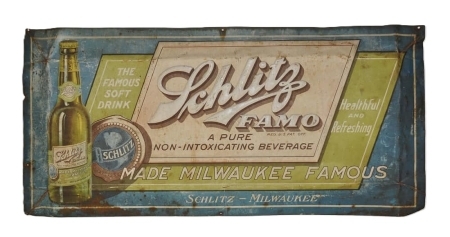
This soda bottle was sold by the Cassel Soda Company in Whitefish Bay, Wisconsin, in the early 1900s. Conrad Cassel owned and managed the company from 1897-1917. The company, along with other Wisconsin soda companies during that time, made carbonated water, a beverage that would gain special significance during Prohibition. The Cassel Soda Company sold its soda to Whitefish…

Read More
Comments Off on OBJECT HISTORY: Cassel Soda Bottle

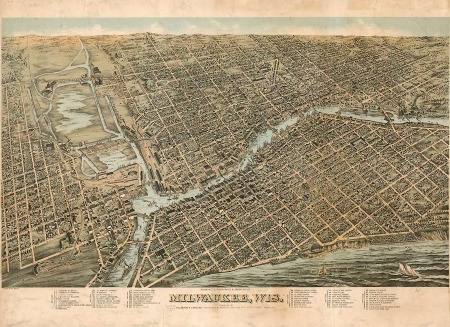
Whitefish Bay Urbanization

In the late 1800s, meatpacking, wheat processing and brewing industrialization boomed in Milwaukee. This increase of manufacturing attracted workers from all over the country to move to Milwaukee. In fact, from 1870-1900, Milwaukee’s population quadrupled. Milwaukee's housing infrastructure couldn't support this drastic…

Read More
Comments Off on Whitefish Bay Urbanization

End of content

No more pages to load