
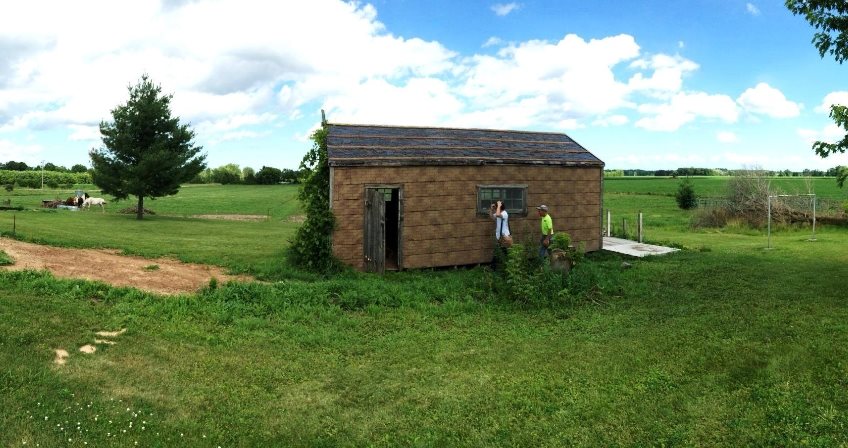
OBJECT HISTORY: Migrant Worker’s Cabin
This cabin, once occupied by a family of migrant workers employed by the Bond Pickle Company, is located at the property of Thomas and Jamie Sobush of Pensaukee, Wisconsin. Cabins like this were home to seasonal migrant workers who came to Wisconsin to harvest cucumbers for the pickle industry.
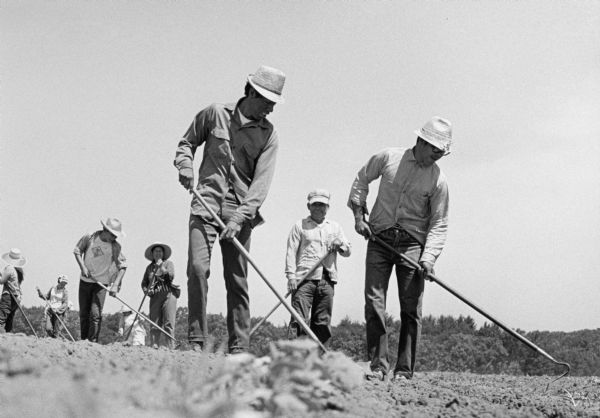
Migrant Workers and the Bond Pickle Company
As the Wisconsin pickle industry expanded, it began to rely heavily on migrant labor to harvest the pickle fields. Unlike many of Wisconsin’s other major crops, it is very hard to cultivate or harvest cucumbers by machine. As a consequence, as the pickle industry expanded, cucumber farmers relied more on seasonal migrant labor than any other industrial sector.
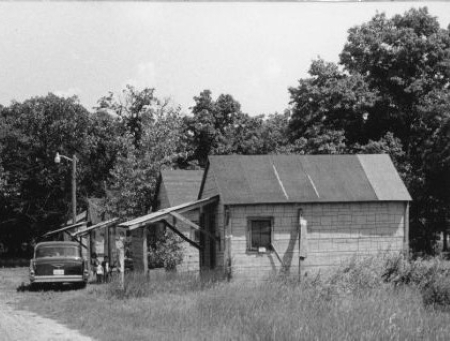
Wisconsin's Migrant Housing Laws
The changing demographics of migrant labor in Wisconsin, from single men to families, drew the attention of state lawmakers. With more children working in the fields, for instance, lawmakers began to pass a series of child labor and school attendance laws. By 1961, the state’s migrant housing code set minimum standards for migrant worker housing in Wisconsin.