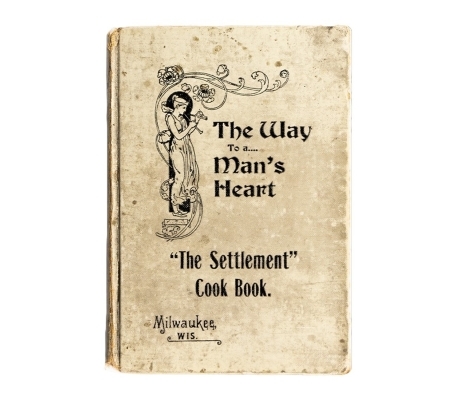
OBJECT HISTORY: Settlement Cook Book
Cookbooks in the early 1900s used “pinches of this” and “dashes of that” as measurements in their recipes. What made The Settlement Cook Book unique was the dedication to scientific management and use of actual measurements.
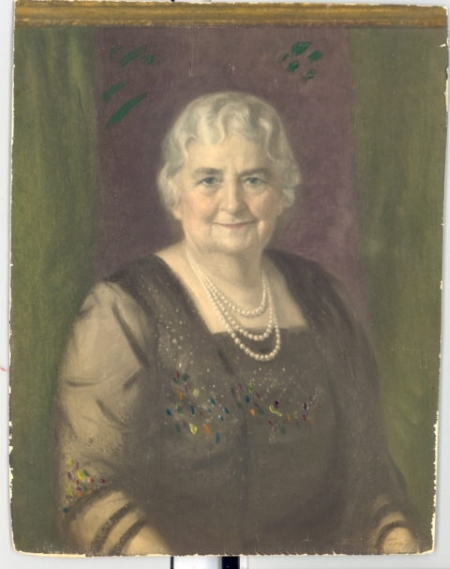
Elizabeth "Lizzie" Black Kander
Rejected by the professional world, many white and middle- or upper-class focused their energies to combat social injustices instead. Milwaukeean Elizabeth “Lizzie” Black Kander, however, began her social activism long before she attended classes at the University of Wisconsin in Madison.
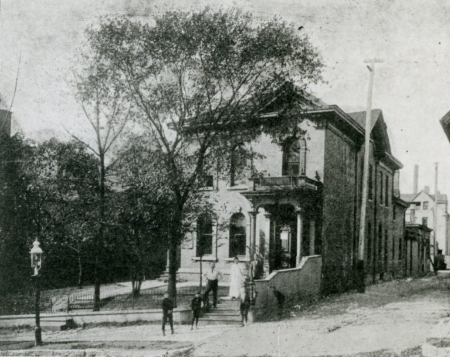
Roots of Milwaukee's Settlement House
In 1894, Lizzie Black Kander became the president of the Ladies Relief Sewing Society, an aid society that collected, mended, and provided clothing for needy families. Kander’s involvement in the Sewing Society became the foundation for her future activism and the blueprint for Milwaukee’s first settlement house.
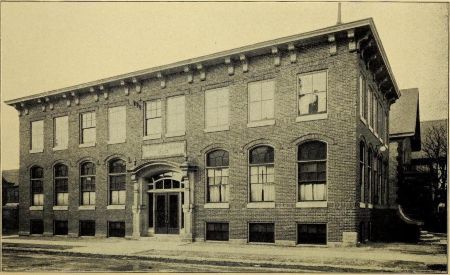
The Settlement
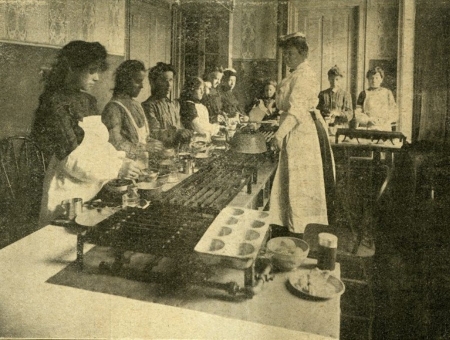
Milwaukee's "Settlement" provided programs such as manual training and sewing classes, the cooking school, debating societies, literary clubs, a bank, a public library branch, and a night school for more than 200 students.
The Settlement House Movement
The large influx of immigrants from Eastern Europe to America’s cities concerned middle-class America. Some sought to limit immigration from these countries deemed “less desirable,” while others looked for ways to help this new class of Americans assimilate to their new surroundings.