
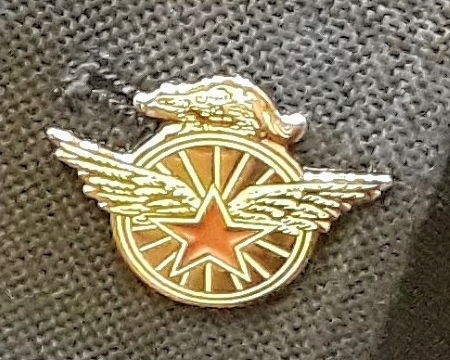
OBJECT HISTORY: Badger Wheelmen Pin
During the 1880s bicycling became very popular, and many cycling clubs opened across America. The Badger Wheelmen was a cycling club based in Milwaukee. In clubs, cycling fans could meet and share their love for bicycles. In that era, many people joined social clubs to improve themselves or the world around them. Members wore pins like this one to show they belonged to a club.
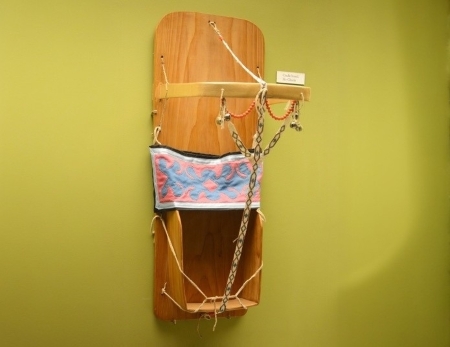
OBJECT HISTORY: Cradleboard
Native Americans used cradleboards in North America to protect, carry, and entertain their babies. Cradleboards allowed women to keep babies close to their side.
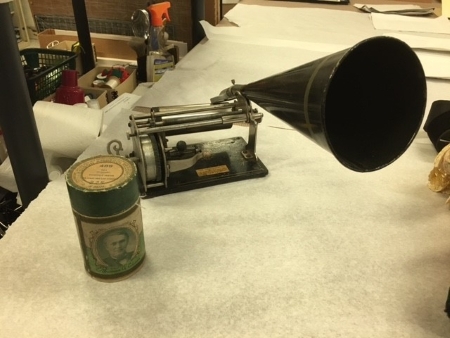
OBJECT HISTORY: Graphophone
The graphophone was one of the first ways to record and play sound. And without this invention we would not have things like voicemail, iTunes, or Spotify. Listening to recorded sounds is something we now do on a daily basis.
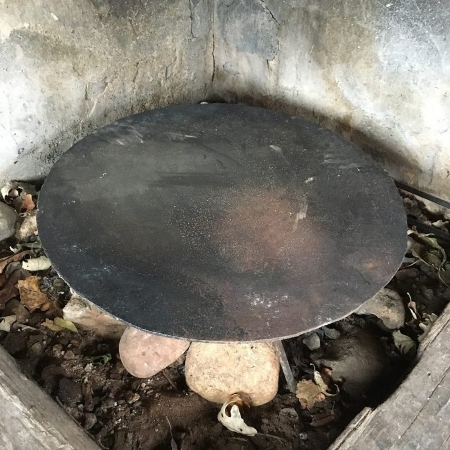
OBJECT HISTORY: Lefse Stone
Lefse is a traditional Norwegian food that is still special to many Norwegian Americans today. Norwegian families heat the lefse stone in a wood-burning stove and then use it to cook the lefse dough.
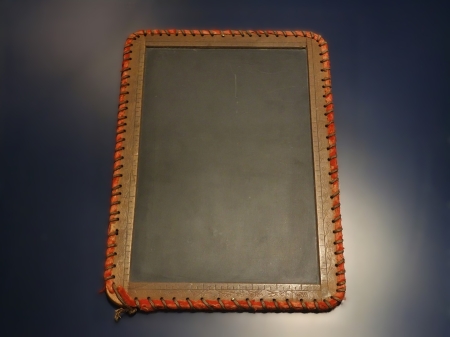
OBJECT HISTORY: Slate
In the 1800s, schools used slates to teach students reading, writing, and math. Students used slates because paper and ink were expensive.