OBJECT HISTORY: Ojibwe Presentation Pipe

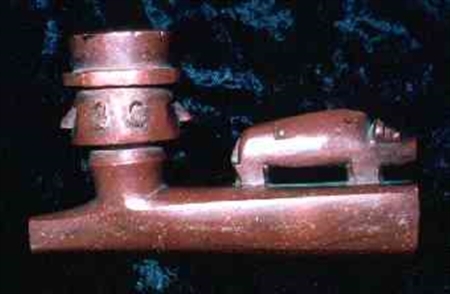
This Ojibwe presentation pipe consists of two pieces: a pipe bowl and a pipe stem. It was most likely for spiritual ceremonies. According to the Wisconsin Historical Society, the pipe bowl is carved from heavy stone, and has two common images to…

Read More
Comments Off on OBJECT HISTORY: Ojibwe Presentation Pipe

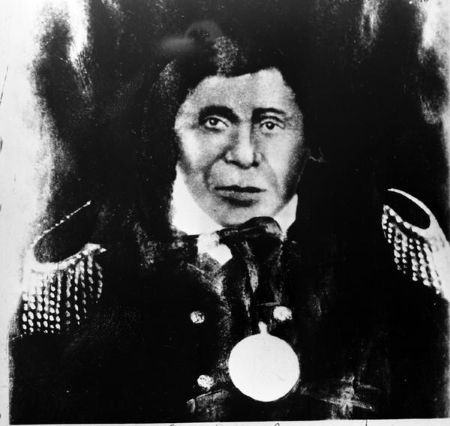
Ke-che-waish-ke

Ke-che-waish-ke (Great Renewer) (c.1759 – 1855), also known as Chief Buffalo (Peezhickee), and by the French Le Boeuf, led the Lake Superior Ojibwe people of Mooningwanekaaning (Madeline Island). Ke-che-waish-ke was instrumental to signing treaty agreements between the Wisconsin Ojibwe people and the United States,…

Read More
Comments Off on Ke-che-waish-ke

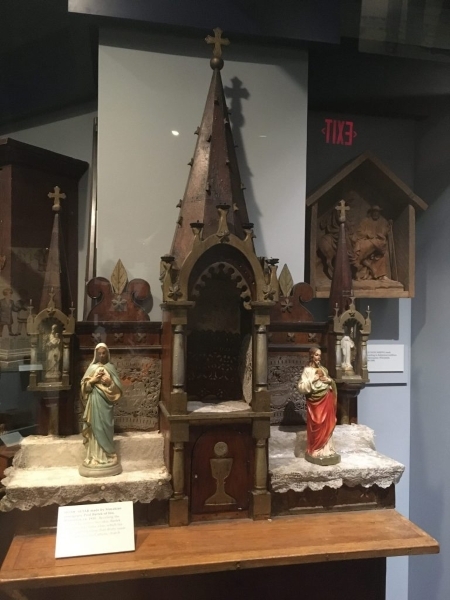
OBJECT HISTORY: Slovak Catholic Altar

During the 19th and early 20th century, immigrants from all across Europe began coming to Wisconsin. Some had heard of economic opportunity from industries like mining, logging, or farming. Some were being treated unfairly in their home countries because of their race or religion.…

Read More
Comments Off on OBJECT HISTORY: Slovak Catholic Altar

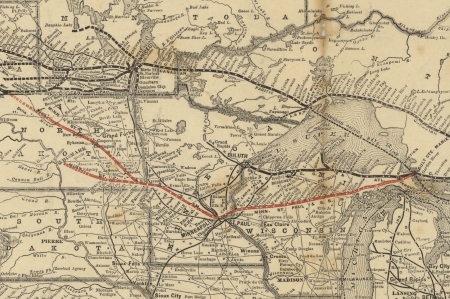
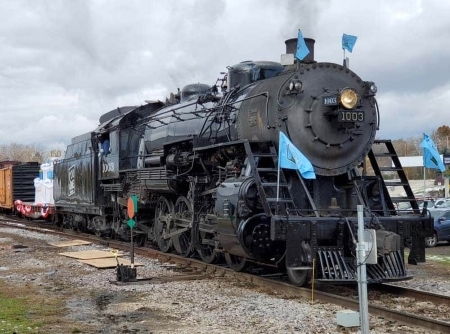
OBJECT HISTORY: Soo Line Engine #1003

In the second half of the nineteenth century, railroads remade the geography of the Midwest. In an era when roads were often muddy filled with holes, the railroad made it faster to travel from Superior to Milwaukee by rail than from Superior to Ashland by wagon. In Wisconsin, the Chicago and Northwestern, The Milwaukee Road,…

Read More
Comments Off on OBJECT HISTORY: Soo Line Engine #1003

Tanning in Taylor County

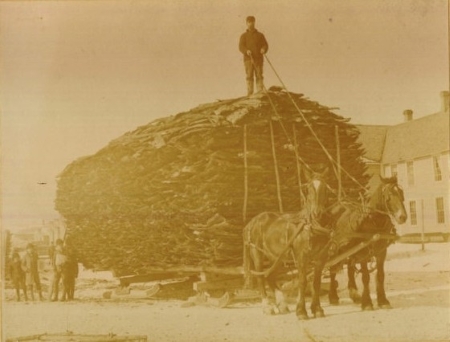
Tanning in Taylor County In early 1890, members of a wealthy Boston-based family, the Shaws, visited Wisconsin to find new sources for the tannic acid needed to produced leather for horse harnesses and boots. The Shaw Family operated tanneries in Maine, Massachusetts,…

Read More
Comments Off on Tanning in Taylor County

End of content

No more pages to load