
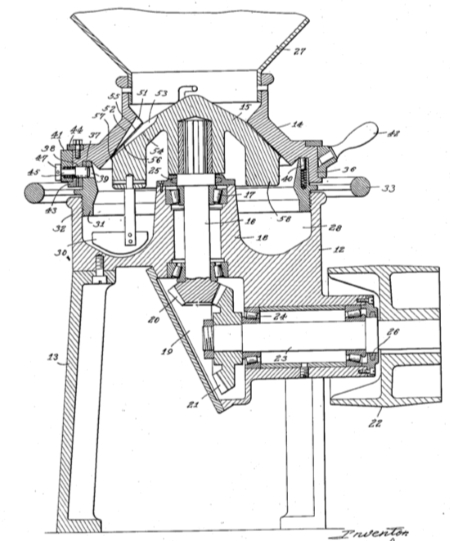
OBJECT HISTORY: Clair Mathews' Feed Grinder
In a moment of rural ingenuity inspired by a mortar and pestle Mathews saw at a Beloit drugstore, Clair Mathews decided to make his own mill.
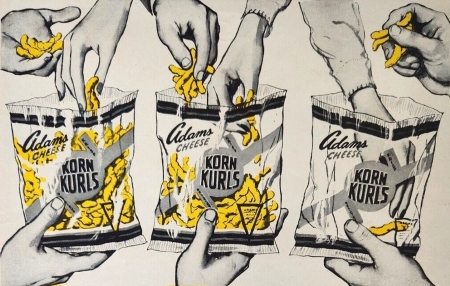
From Cow Feed to Korn Kurl
By the mid-1930s, the Flakall Corporation was trying to build up a customer base for its machine, a version of the feed grinder initially designed and built by Clair Mathews. As it turned out, the machine would end up being more useful for snack food manufacturers than farmers.
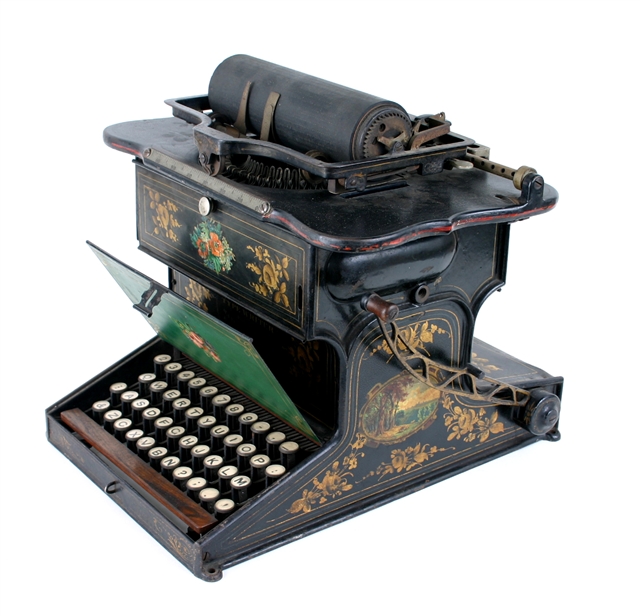
OBJECT HISTORY: Sholes & Glidden Typewriter
Sholes wanted to invent a machine which would print letters and words thus his interest in inventing a “type writer” came into being. Together the Sholes, Soule, and Glidden submitted their version of a typewriter for a patent on June 3, 1868.
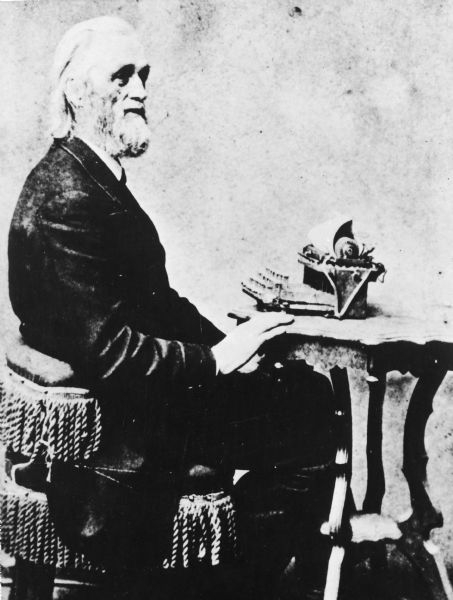
Christopher Latham Sholes
Sholes managed Madison’s Enquirer paper for a time; and in 1860 he became editor of both the Milwaukee News and the Milwaukee Sentinel, a position that he gave up during the Civil War when President Lincoln appointed him as collector of the Port of Milwaukee.
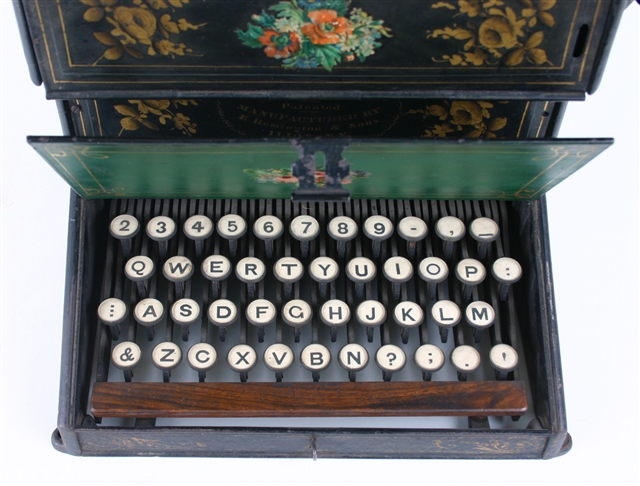
Origins of the QWERTY Keyboard
The QWERTY keyboard appeared on the first Remington typewriters produced and sold in 1848.[ii] It is commonly thought that Sholes designed his typewriter keyboard to keep the machine from jamming. But, this may not be the real reason for the layout.
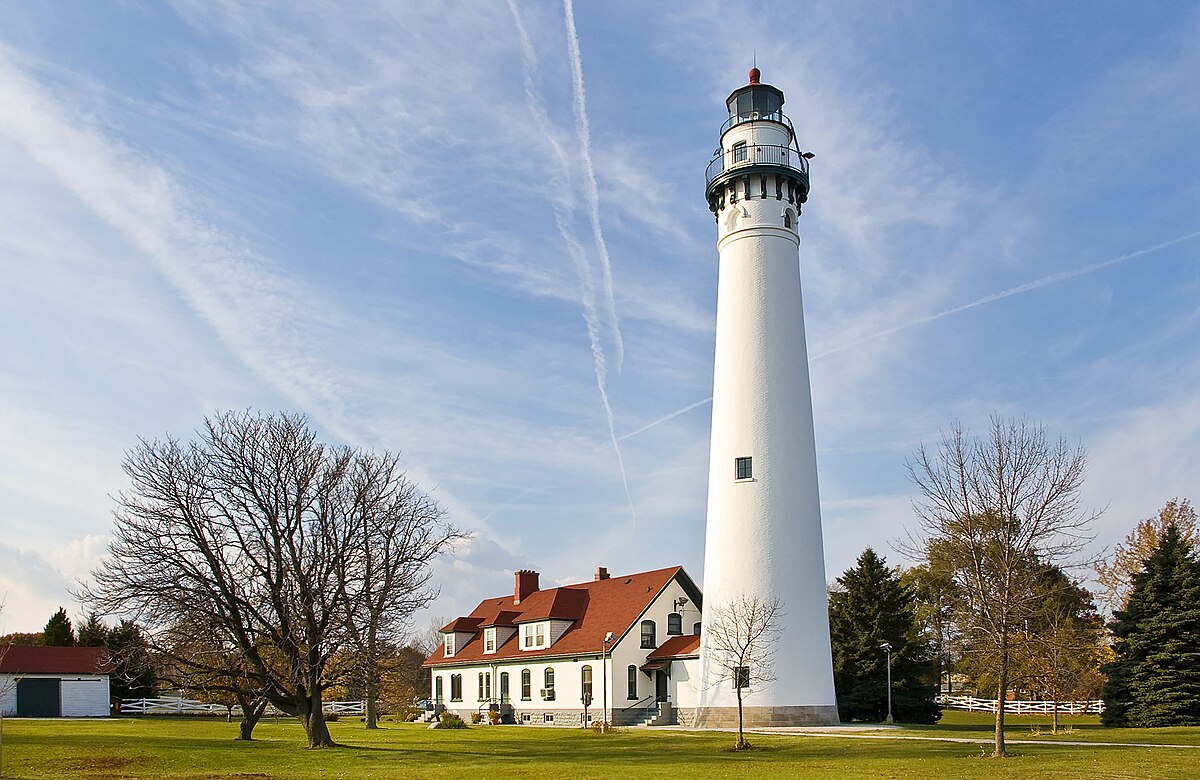
OBJECT HISTORY: Wind Point Lighthouse
Wind Point Lighthouse is located in the Village of Wind Point, which sits just north of the Racine harbor on Lake Michigan. The lighthouse was constructed in 1880 and stands 108 feet high. Concerns for the safety of ships sailing from the north made the new light necessary to help ships avoid the reef off Racine Point.
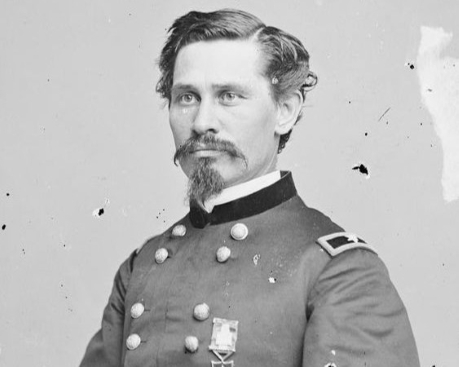
Orlando Metcalf Poe and Wisconsin’s Waterways
Orlando Metcalf Poe was an engineer who shaped the landscape of Wisconsin’s harbors and waterways, playing a crucial role in the development of Wisconsin’s commerce. Through his lighthouse designs and his design of major systems of ship locks and canals on the Great Lakes, Poe connected Wisconsin, its people, and its products to the growing world of water shipping in 19th century America.